
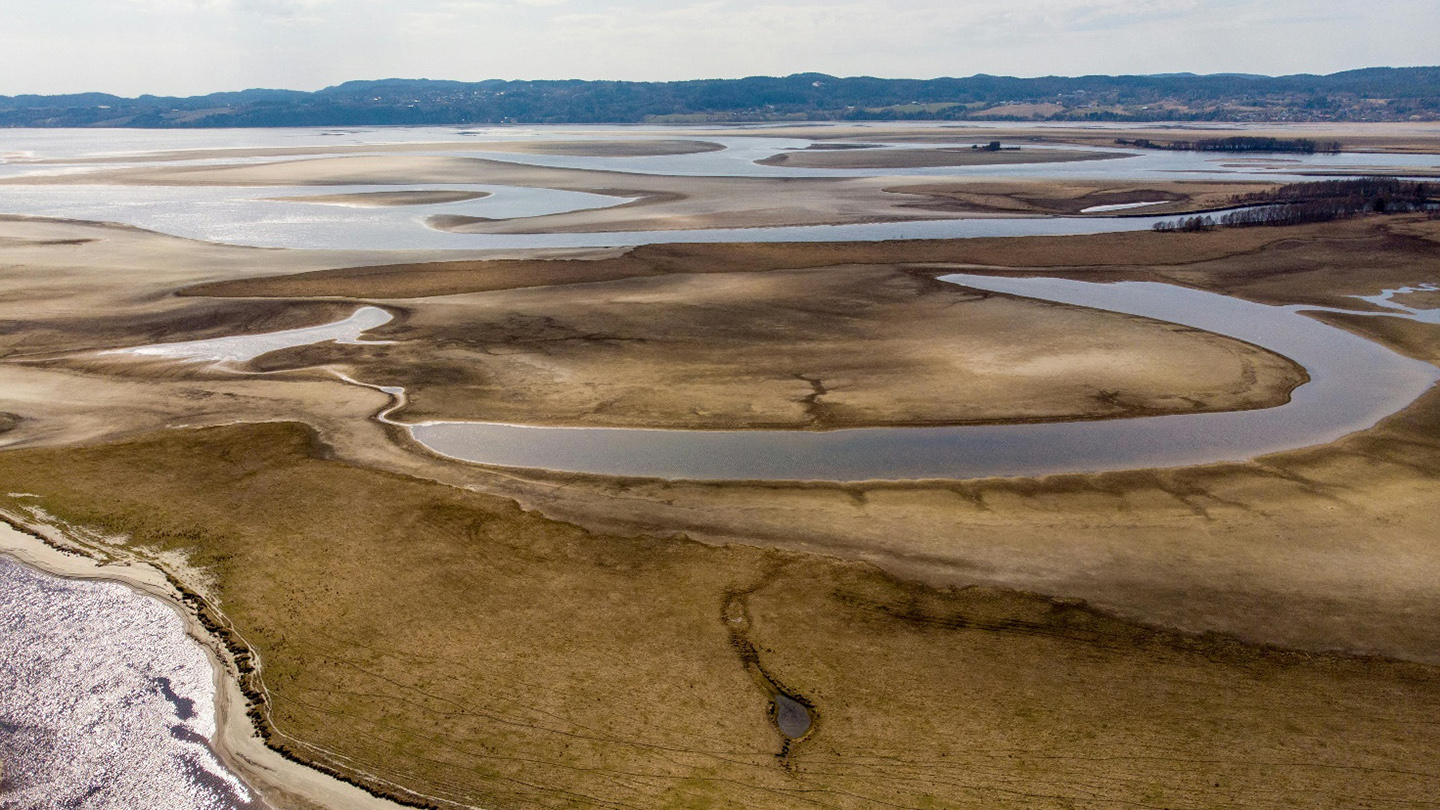
According to the latest report by the United Nations University Institute for Water, Environment and Health (UNU-INWEH), we have now exceeded a threshold of natural resource exploitation that until recently seemed only theoretical, and we have effectively entered a situation of global water bankruptcy.
The data clearly show a situation of “systemic collapse”: the water resources at our disposal have been used and polluted in such an impactful way that we cannot restore them to previous levels.
A point of no return: some figures
The study “Global Water Bankruptcy - Living Beyond our Hydrological Means in the Post-Crisis Era” published yesterday - on the occasion of the 30th anniversary of UNU-INWEH and ahead of the United Nations Water Conference to be held in December 2026 – argues that the world has entered a new phase, a post-crisis condition characterized by irreversible losses of natural water capital and the inability to return to historical baseline values:
-
over the past 50 years, 410 million hectares of natural wetlands have disappeared: an area almost equal to that of the entire European Union
-
approximately 70% of the world's major aquifers are in structural decline
-
more than 30% of the global glacier mass has been lost in various locations since 1970
-
it is estimated that within a few decades, entire mountain ranges in low and mid-latitudes will lose their glaciers entirely.
The impact on communities and human rights
The report emphasizes that water bankruptcy is not just a hydrological problem, but a matter of justice with profound social and political implications that require the utmost attention from governments and multilateral cooperation.
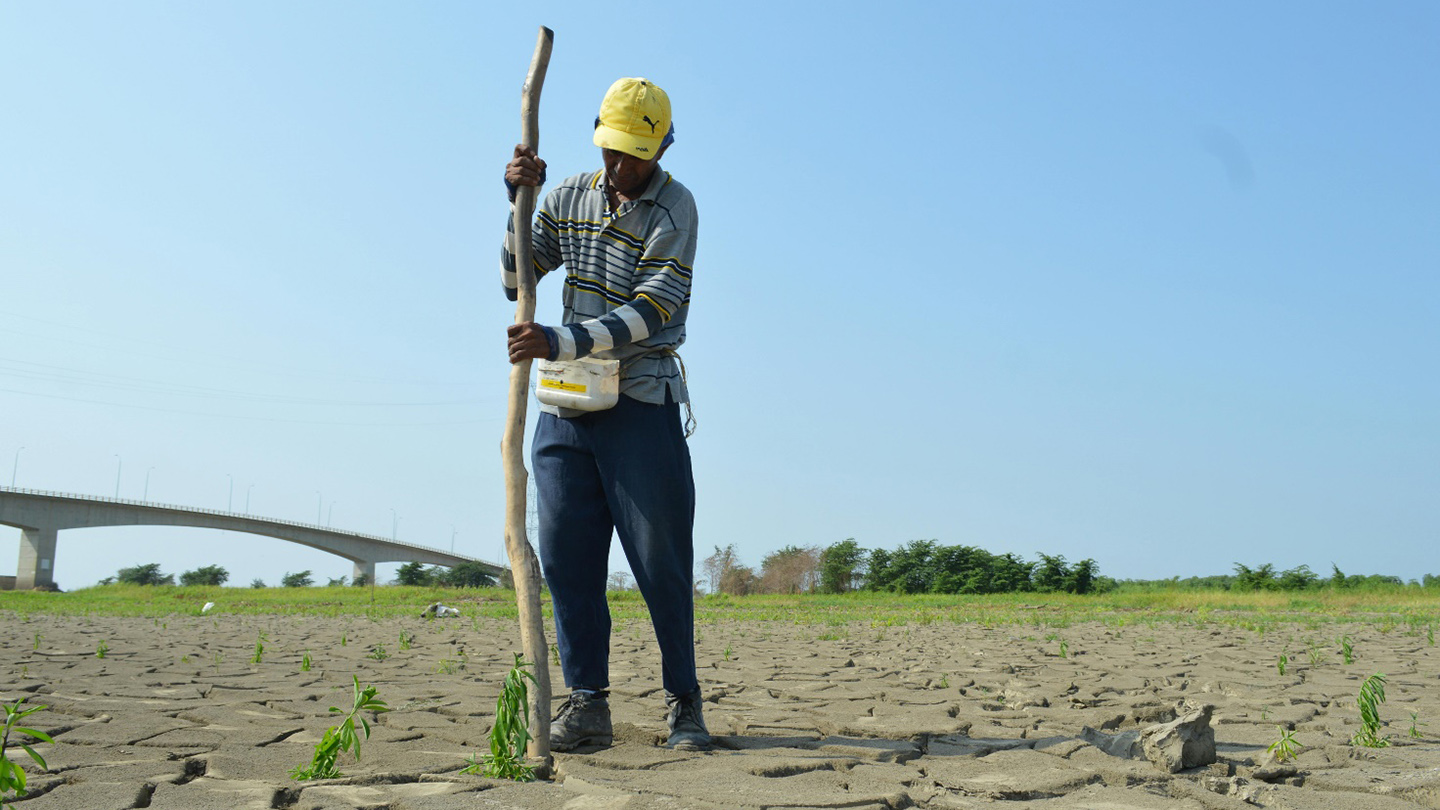
The depletion of water reserves has a direct impact on the populations living in the affected areas and on their human rights:
-
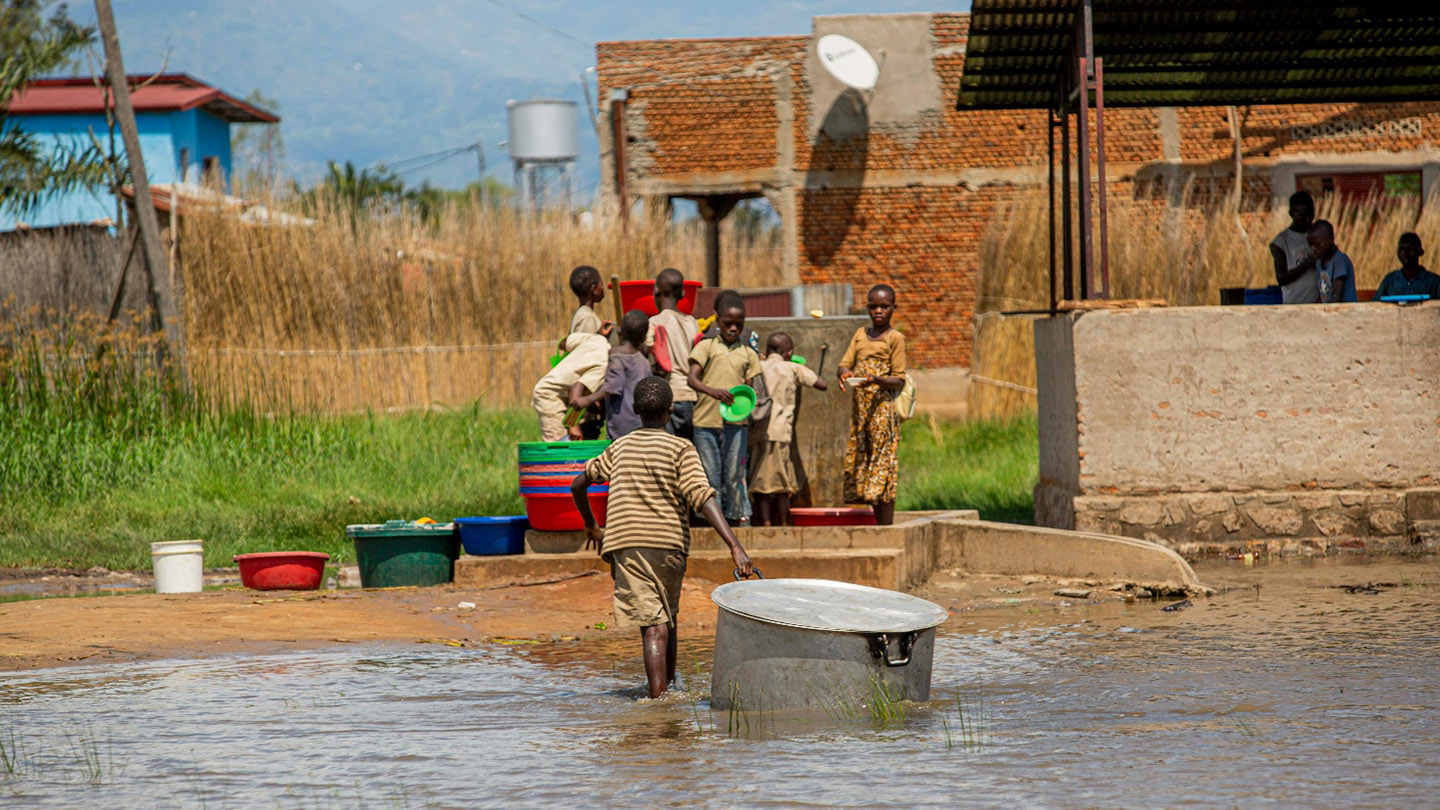
2.2 billion people do not have access to safely managed drinking water
-
3.5 billion people live without adequate sanitation
-
approximately 4 billion people face severe water shortages at least one month per year
Rethinking production systems and the global agenda
One of the main causes of this crisis is food production: 70% of global freshwater withdrawals are used for agriculture, often in intensive forms that drain aquifers and reservoirs at rates faster than their natural capacity to regenerate. The agricultural sector is now facing decisive challenges for global prosperity and well-being. According to the FAO, by 2050 it will be necessary to produce 50% more food to feed a world population that will exceed 9 billion people.
In a context marked by growing scarcity of natural resources, climate change, and geopolitical instability, which undermine access to healthy and affordable food, transforming agri-food systems to be sustainable, resilient, and inclusive is a priority that requires the synergistic collaboration of businesses, public institutions, and financial actors.
Furthermore, a recent study promoted by UN Global Compact Network Italy on the commitment of Italian companies to the protection of natural capital, emphasizes how natural resources are the very foundation of modern economies and business productivity. From the water needed for production processes to soil fertility, the availability of raw materials, and ecosystem services such as pollination, climate regulation, and protection from extreme events, every economic sector depends on the health of natural capital.
If we begin to consider natural capital as the primary productive asset for every economic sector, its protection would no longer be a secondary issue, but a necessary condition for resilience and, therefore, competitiveness. Companies that integrate the management and protection of natural capital into their strategies will be those capable of ensuring the essential conditions for business continuity, as well as innovating, increasing their chances of attracting capital and guaranteeing long-term value. The challenge will be to translate intentions into concrete actions, moving from generic targets to measurable operational plans integrated with business strategies, in line with the transformations of the economic system and the ongoing climate crisis.
Read also: