
In recent years, DE&I has seen rapid diffusion in corporate policies, becoming an increasingly present element in sustainability strategies, ESG reports and human resources management practices. Consequently, most organizations have introduced dedicated programs, specific roles and related monitoring indicators.
This growing institutionalization has led to a phase that can be defined as "formal maturity" of DE&I, as the presence of initiatives and policies is now widespread in numerous large companies and multinationals as well as in SMEs.
Since 2025, however, we have witnessed an important backlash on these issues: in the United States, many companies have taken steps backwards and new resistance is found at the corporate level, both at an internal level - such as, for example, in widespread skepticism and the perception of little importance of the issues - and at an external level, with narratives that question the value of inclusion policies.
Regulatory context and data
Precisely for this reason, it is important to keep a high level of attention on the issues and review the materiality of companies with respect to their strategies. A very delicate topic within the macro-theme of DE&I is that of disabilities and - more specifically - the management and professional development of people with neurodivergences.
Article 14 of Italian Legislative Decree 276/2003 introduces the possibility for companies to fulfill their obligations to hire people with disabilities through agreements with social cooperatives and other third sector entities. This tool can represent, if used strategically, an opportunity to build gradual and sustainable insertion paths, encouraging collaboration between businesses and territories. Other regulatory references used are:
- the UN Convention on the Rights of Persons with Disabilities, intended as a human rights instrument with an explicit social development dimension; adopts a broad categorization of persons with disabilities and reiterates that all persons with any type of disability must enjoy all human rights and fundamental freedoms;
- the EU Strategy for the rights of people with disabilities 2021-2030 promoted in 2021 by the European Union, to guarantee the full participation of people with disabilities in society and at work.
However, the data speaks clearly: in Europe, it is estimated that 1 child in 100 suffers from some type of autistic disability; while in our country we are talking about one child in 77, between 7 and 9 years old, according to the Istituto Superiore di Sanità.

Changing perspective: the working table of the Italian Network
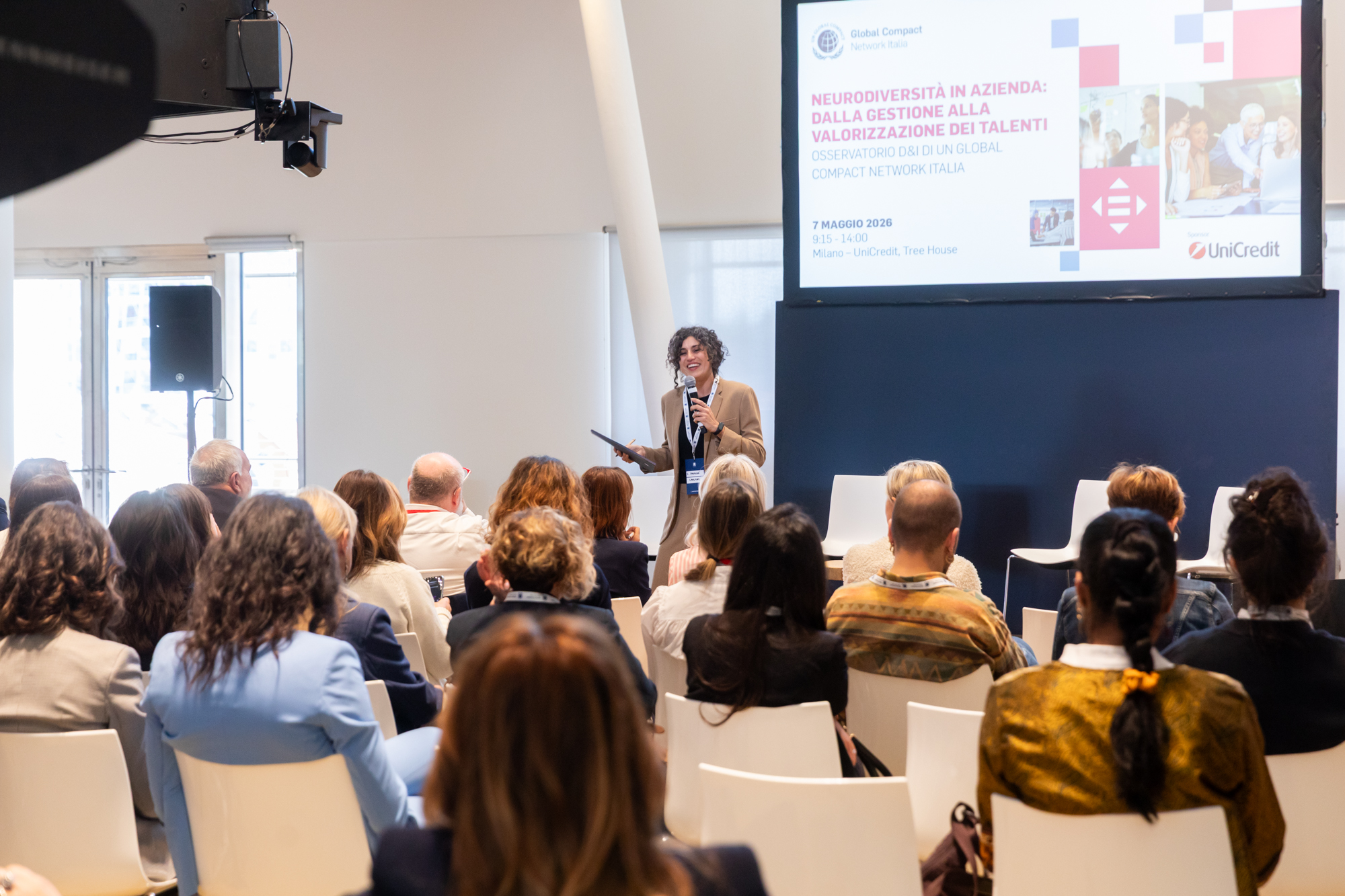
The topic of managing and enhancing the talents of workers with neurodiversity was the subject of a dedicated meeting, within the framework of the D&I Observatory promoted by the Italian Network of UN Global Compact.
From the meeting it emerged that there are often no clear definitions, and that jobs are typically structured around the concept of "cognitive normality". Furthermore, the increasingly urgent need has emerged for a transition from a non-constructive approach based on welfare to a real change of cultural perspective, in which the company puts itself in a "giver" position - as organizational psychologist Adam Grant defines it - and listens to understand how to map the invisible skills and develop the talents of its employees.
Before changing environments, we need to change the culture and mentality about people with diversity, given that many neurodivergences are also invisible. Only by changing perspective, and thinking of diversity as an opportunity, can we build more resilient companies, which will be competitive and successful because they will be able to easily adapt to the many external changes on all fronts.
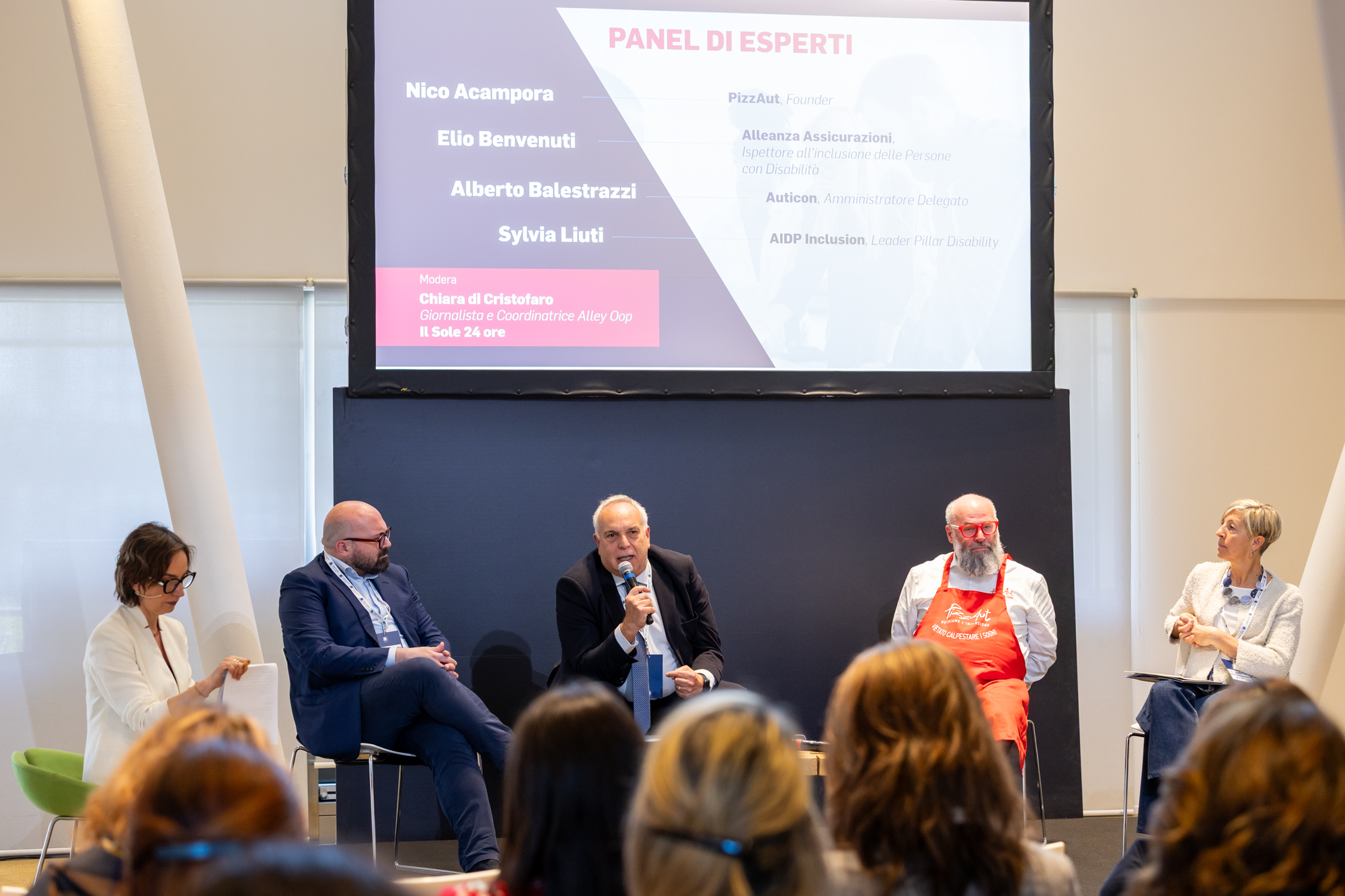
In this sense, the working groups highlighted how the challenges are distributed throughout the professional life cycle: from access to work, where barriers still emerge in the selection and onboarding processes, up to the difficulty of fully valorising talents and accompanying their growth paths. The centrality of the role of corporate culture and management in creating truly inclusive contexts, capable of welcoming and supporting the diversity of cognitive functioning, also emerged.
BROWSE THE EVENT PHOTO GALLERY ▶


Read also: