In the review of the EU regulatory framework on sustainability reporting, the simplification introduced by the Omnibus Package is an opportunity that can allow companies to better focus on managing impacts and risks and creating long-term sustainable value, while ensuring transparency, comparability and accountability along value chains.
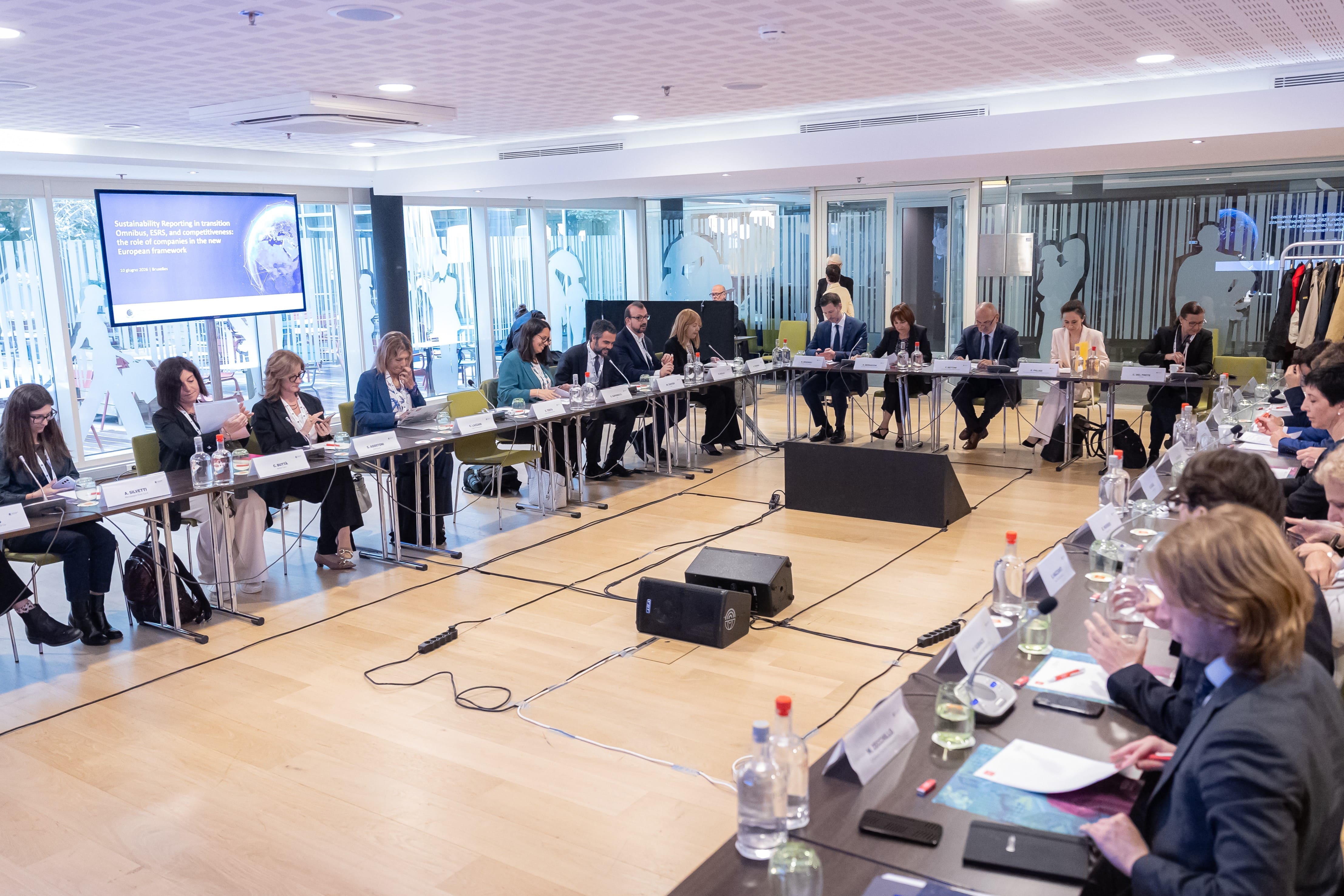
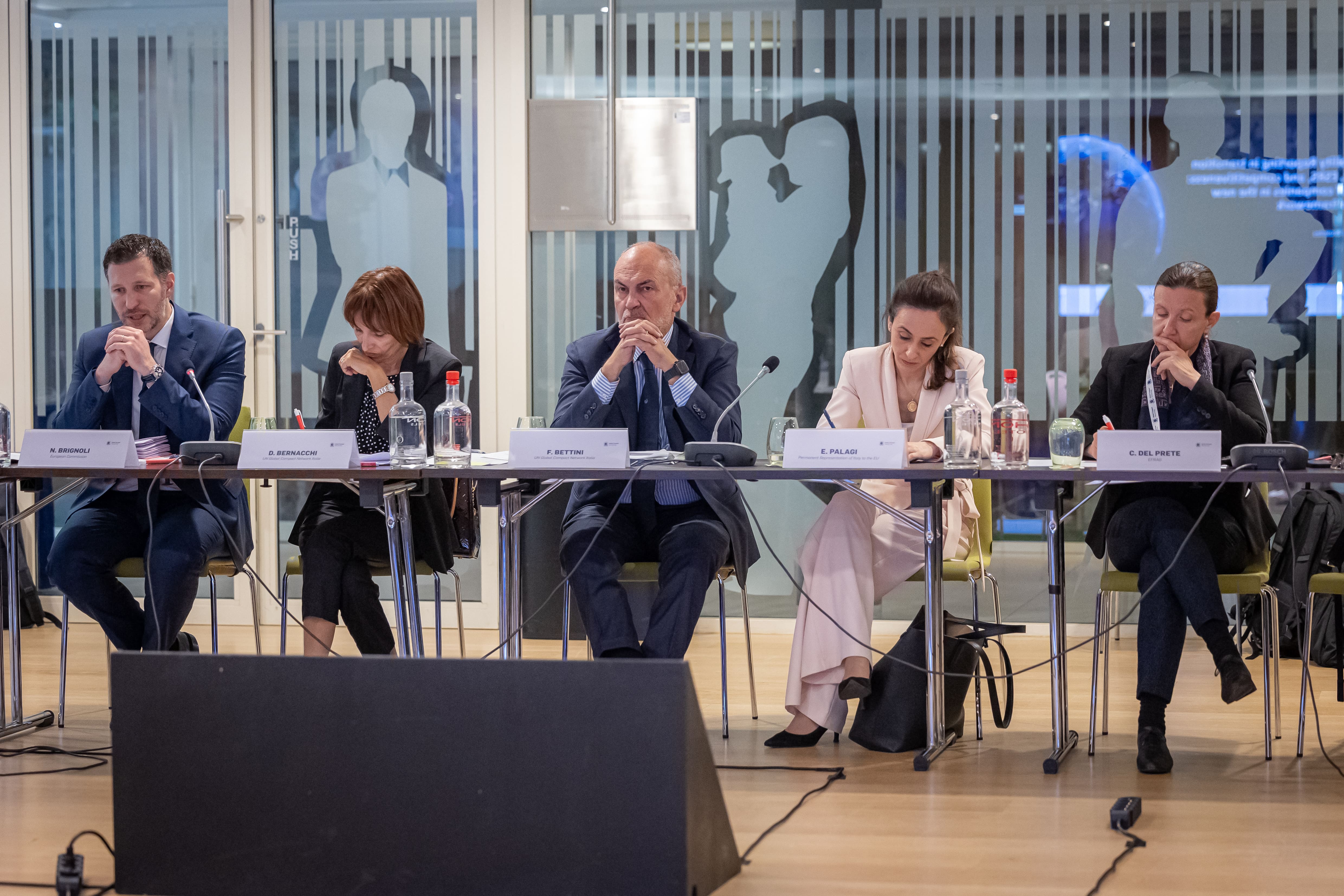
European competitiveness is strengthened thanks to companies that adopt more effective sustainability, capable of creating value in the long term and supporting the management of risks and impacts along the value chains. This is one of the main messages that emerged from the round table - promoted by the Italian Network of UN Global Compact - entitled "Sustainability Reporting in Transition: Omnibus, ESRS and Competitiveness: the role of companies in the new European framework" which brought together in Brussels representatives of the European Commission, the European Financial Reporting Advisory Group (EFRAG) and a selected group of participating Italian companies, in the right balance between companies and SMEs.
In an international framework and institutional dialogue, the event represented an important opportunity for discussion between the private sector, international experts and representatives of the EU Commission, on the future of sustainability reporting and its role in strengthening European competitiveness. Listening to companies is in fact fundamental, on the one hand to include their requests in the decision-making processes, on the other to develop reporting standards more suited to the needs of companies and promote greater effectiveness of the reporting system.
The state of the art of Italian companies according to the UNGC Communication on Progress (CoP)
The recent data collected by the Italian Network through the Communication on Progress (CoP) 2025 - the mandatory annual reporting tool of companies adhering to the UN Global Compact - show how sustainability is increasingly integrated into corporate strategies and processes:
-
84% of participating companies have adopted a formal human rights commitment
-
71% of participating companies have adopted due diligence processes, consolidating robust governance and management tools for ESG risks and impacts within companies.
Also on the climate action front, a progressive strengthening of governance tools dedicated to reducing emissions emerges
-
88% of participating companies have a formal commitment to environmental issues
-
between 64% and 81% of participating companies have adopted policies formally approved by the highest corporate bodies and aligned with the main international standards
The application of these policies is progressively extending beyond company boundaries: between 39% and 50% of companies already apply them to their suppliers and up to 32% to the entire value chain. At the same time, more than 20% of participating companies have already extended due diligence processes to the entire supply chain and 3 out of 4 companies involve stakeholders in the related activities. Data that confirms the strategic role of collaboration with suppliers and SMEs in strengthening the sustainability and resilience of value chains.

Competitiveness is not achieved by reducing sustainability, but by making it more effective
In this context, some concern remains that the voluntary nature of sustainability reporting introduced by Omnibus - which has significantly reduced the companies affected by the scope of the regulation - could slow down the path of SMEs, fundamental players in the sustainable transition. Larger companies recognize their role in supporting smaller companies along the way, also given the growing demand for ESG information along value chains.
The European discussion on sustainability reporting represents a crucial step for the future of business competitiveness. Simplification is an acceptable objective if it allows the system to be made more effective and accessible, without compromising the quality of the information and the ability of companies to manage risks and opportunities related to sustainability. Companies have already invested significantly in the adoption of dedicated policies and processes: the challenge now is to accompany them in strengthening these tools along the value chains, so that reporting continues to be a driver of improvement, innovation and value creation.
From this perspective, the Italian Network of the United Nations Global Compact is committed to promoting a vision of sustainability that continues to generate value for businesses and society as a whole. From this perspective, sustainability and competitiveness do not represent alternative objectives, but complementary conditions for strengthening the resilience, innovation capacity and long-term growth of European companies.
BROWSE THE EVENT PHOTO GALLERY ▶


