
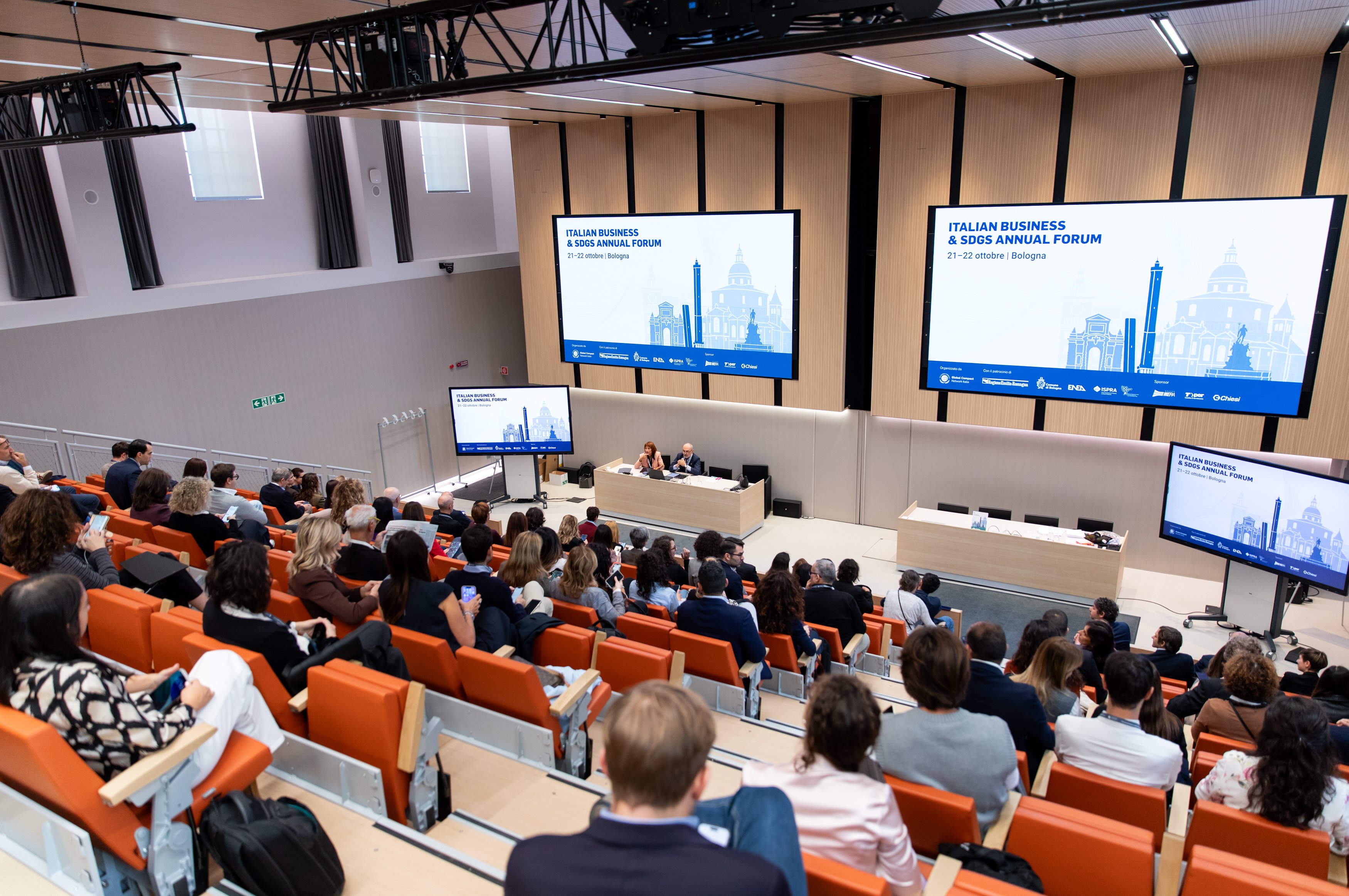
Last week, the 11th edition of the Italian Business & SDGs Annual Forum took place in Bologna. This annual event, promoted by the UN Global Compact Network Italia, brings together businesses, institutions, academia, and civil society to foster dialogue and discussion on key sustainable development challenges and to facilitate shared pathways toward change.
The event involved representatives from the business community, drawn from the more than 840 companies that are members of the UN Global Compact Network Italia. This year’s edition focused on the circular economy as a driver of innovation, efficiency, and sustainable growth for business.
Circular Economy: Italy in the European Context
During the Annual Forum, findings on the circular economy in Italy within the European context were presented. Italy ranks second in terms of circular economy development, with a circularity index of 65—following the Netherlands (69.3) and ahead of Germany (58.8), France (57.9), and Spain (54). The country records a recycling rate of 85.6%, more than double the EU average (41.2%) (1).
Out of approximately 160 million tons of waste managed, Italy recycles 137 million tons. Italy leads Europe in the quantity of materials recovered and reintroduced into the production system (21.6%); for every kilogram of resources consumed, Italy generates 4.7 euros of GDP—the highest figure among the major economies of the European Union, which have an average of 3 euros.
Data from the 2026 Communication on Progress: A snapshot of Italian companies
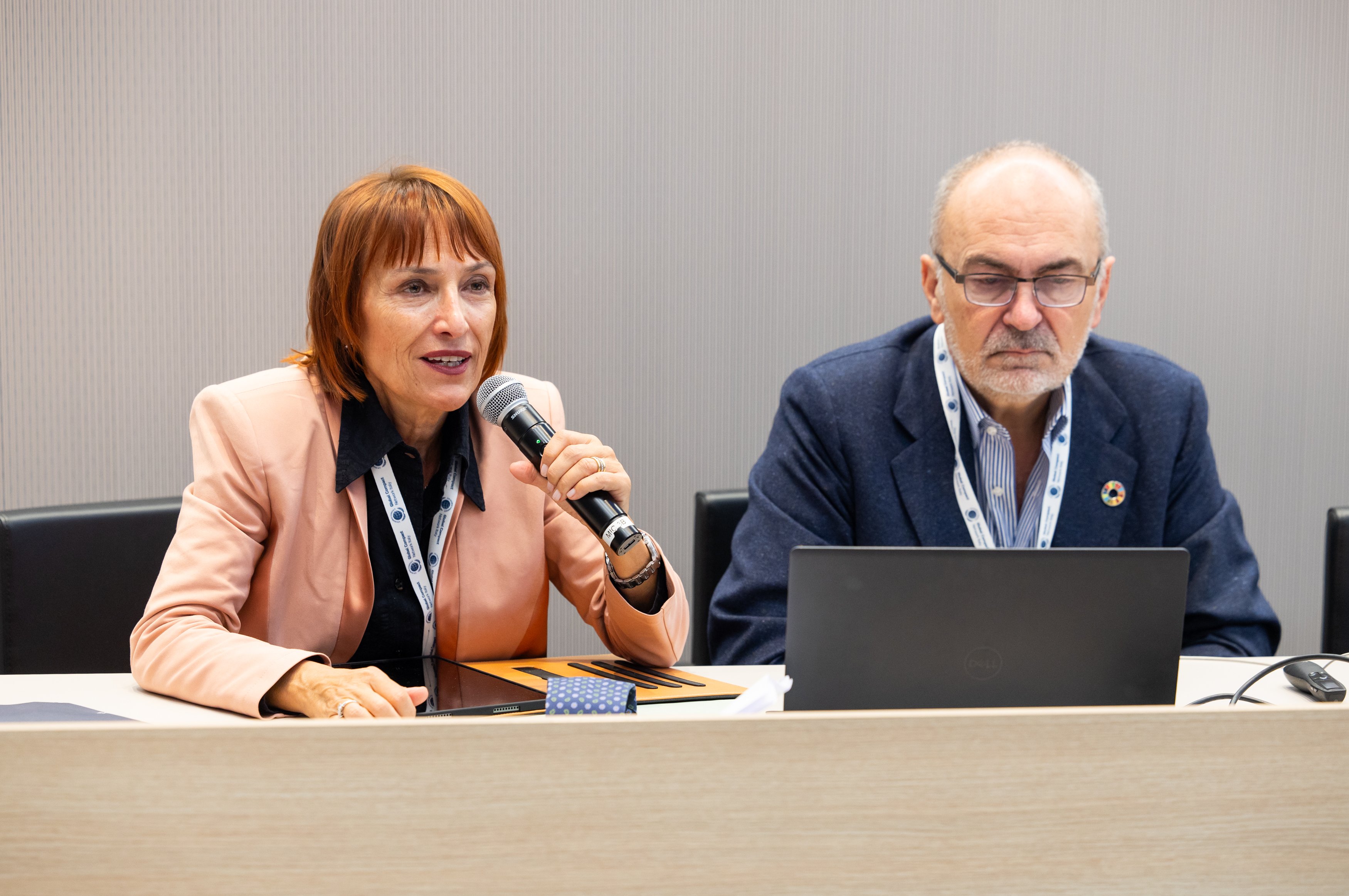
During the Forum, the UN Global Compact Network Italy also provided a preview of data on the circular economy from the 2026 Communication on Progress (CoP)—the annual report submitted by companies participating in the UN Global Compact. This report tracks the progress made by businesses toward the Sustainable Development Goals (SDGs), ahead of the annual reporting cycle that concludes on December 31st.
The CoP 2026 findings offer a broader perspective on the integration of circular practices into corporate policies, operational processes, and supply chain relationships. Based on a sample of 524 companies within the network—representing 82% of the total membership—the results provide a comprehensive overview of how Italian businesses approach the circular economy. The findings reveal that:
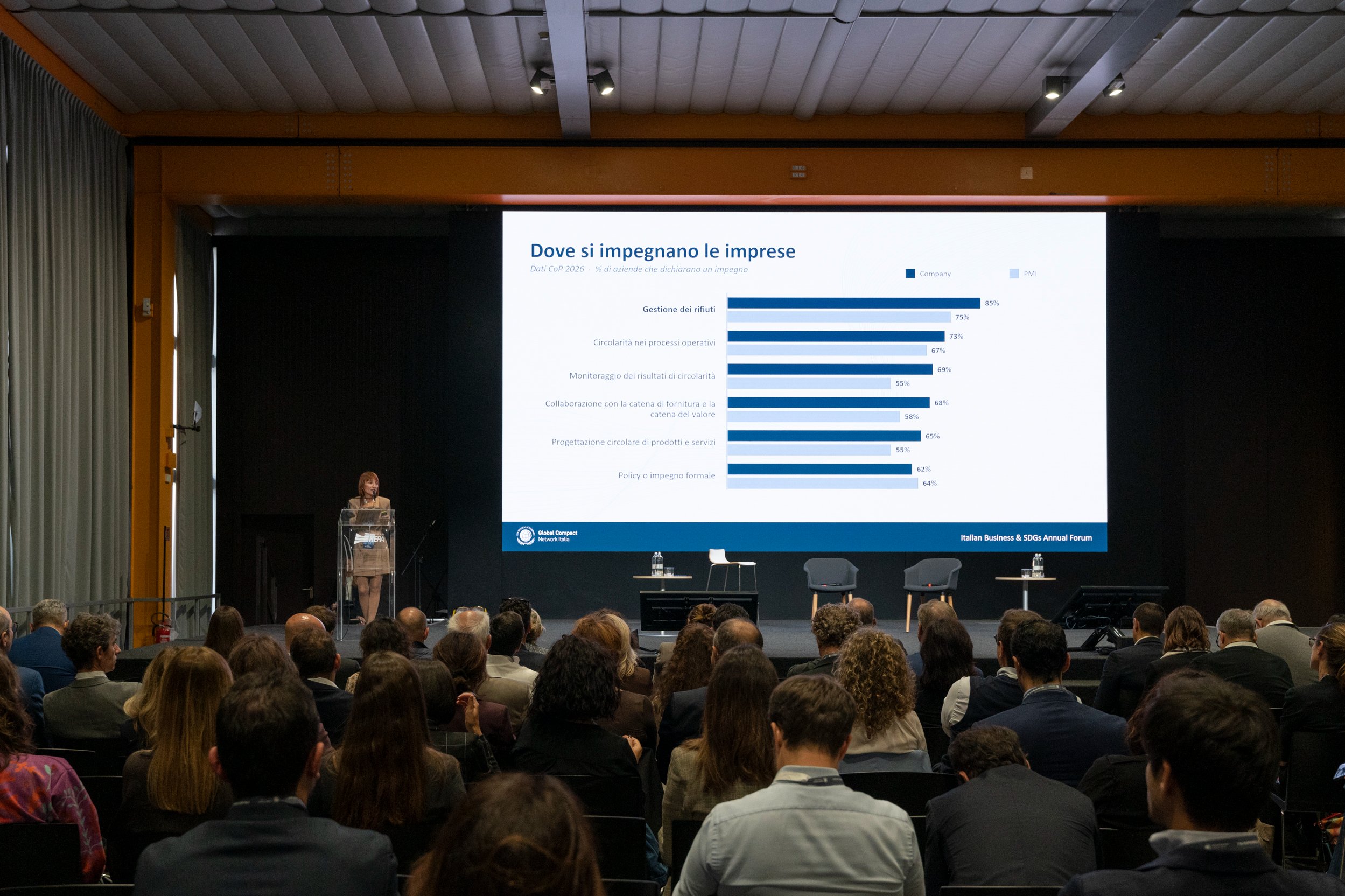
- the application of circular economy practices to waste management represents the area of greatest focus and action for Italian companies, as reported by 85% of large enterprises and 75% of SMEs, respectively;
- the second most addressed area concerns the adoption of circular economy practices within operational processes, with 73% of large enterprises declaring their commitment in this regard, compared to 67% of SMEs;
- regarding the integration of circularity considerations into the design of products or services, 65% of large enterprises are committed to this, followed by 55% of SMEs;
- finally, 64% of small and medium-sized enterprises and 62% of large enterprises report having a formal policy or commitment regarding circular economy objectives.
It is also encouraging to see companies taking action to track and monitor their circularity outcomes: 69% of large enterprises do so, followed by 55% of small and medium-sized enterprises (SMEs). Furthermore, 68% of large companies and 58% of SMEs are engaged in collaboration with suppliers and value chain partners.

An analysis of data from companies participating in the Network
The data reveal a level of maturity in circular economy practices that is largely comparable between large enterprises and SMEs, with only minor differences in performance. This clearly demonstrates the potential to integrate circularity, technological innovation, and process efficiency into an industrial strategy geared toward long-term competitiveness.
The priority now is to consolidate and scale these practices, fostering their adoption throughout supply chains and strengthening the involvement of SMEs. The analysis goes beyond simply identifying initiatives to reduce waste in internal production processes; it also examines the extent to which circularity principles are integrated into corporate policies, operational processes, and supply chain relationships.
It is on this systemic level that the UN Global Compact Network Italy intends to focus its efforts—promoting the sharing of experiences and collaboration among businesses to accelerate the transition toward more efficient, resilient, and competitive production models.
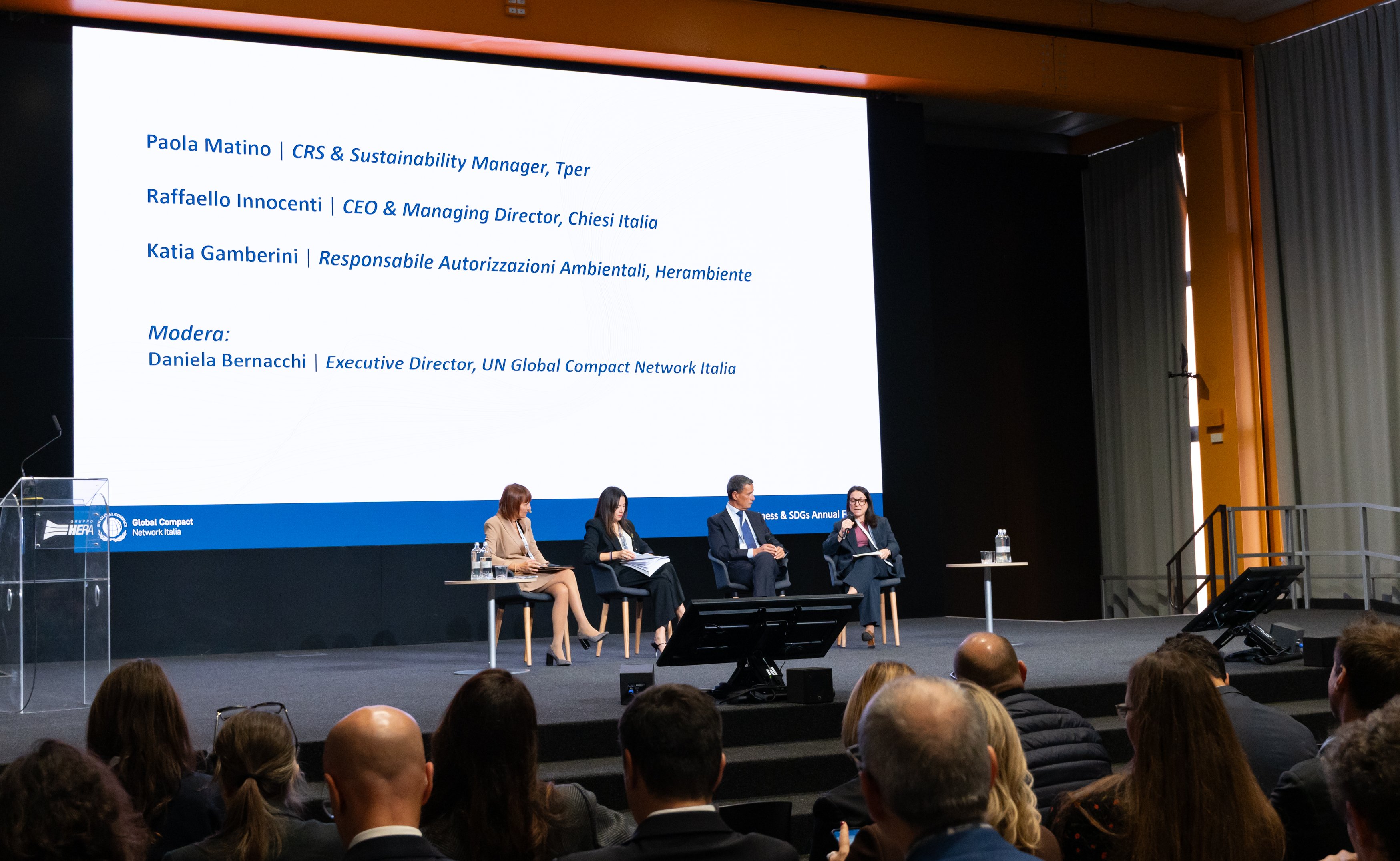
Future Challenges in the Circular Economy
Italy has solidified its position as a European leader in the circular economy; however, the current challenge lies in transforming this leadership into a tangible competitive advantage for the nation’s productive sector. The European Union’s ambition to double the circularity rate by 2030 necessitates regulatory and market-based instruments capable of accelerating this transition. In this context, the forthcoming Circular Economy Act aims to foster a single market for secondary raw materials, promoting both the greater availability of high-quality recycled materials and their effective integration into production processes.
For Italy—a country still heavily reliant on material imports—this evolution represents a strategic opportunity to leverage its expertise in recycling, strengthen supply security, and enhance the competitiveness of its businesses. The challenge is to position circularity not merely as an environmental objective, but as a concrete driver of industrial development, resilience, and economic value for the country.
(1) Report on the Circular Economy in Italy 2026 by the Circular Economy Network.