
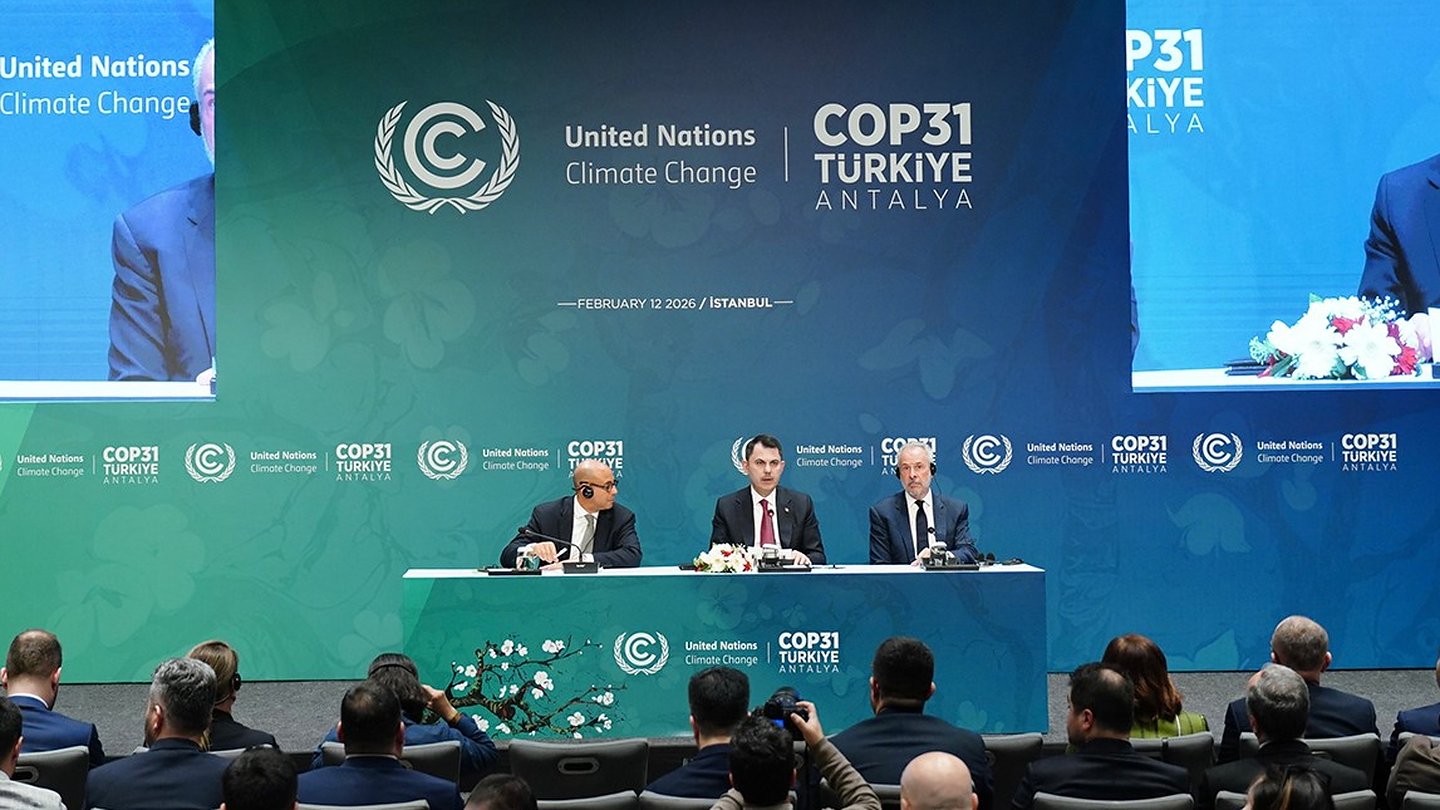
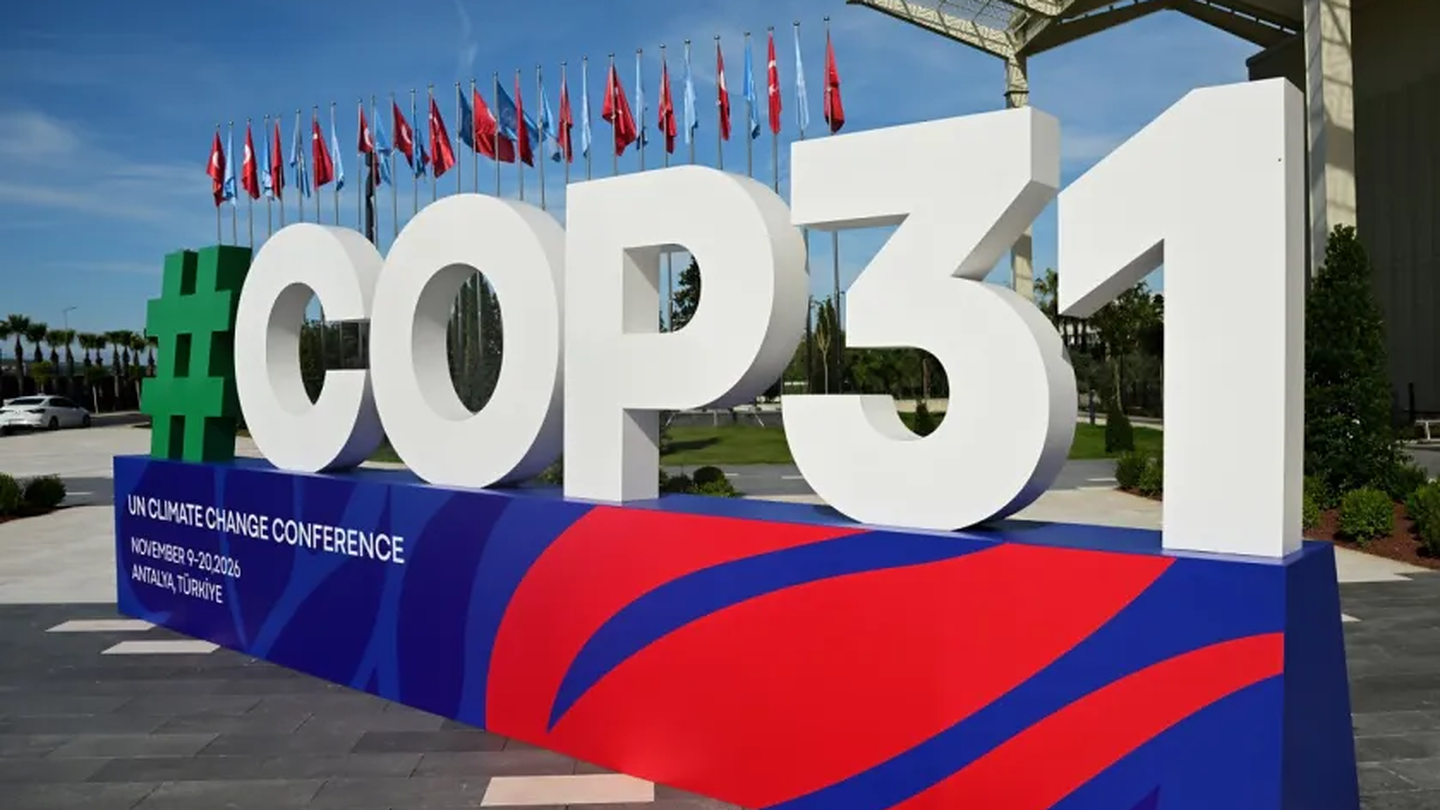
Scheduled to take place in Antalya, Turkey, from November 9 to 20, 2026, COP31 represents a pivotal moment in the implementation of the Paris Agreement. At the heart of the negotiations will be the strengthening of national emissions reduction targets (NDCs), the acceleration of the decarbonization of energy systems, and the gradual phasing out of reliance on fossil fuels.
Among the priorities set out by the Turkish COP presidency—led by Minister of the Environment Murat Kurum—are the promotion of electrification and the development of climate-responsible artificial intelligence. The goal is to accelerate the transformation of production and energy systems, leveraging the contribution of technological innovation to the transition.
The negotiation agenda will also focus on scaling up renewable energy, electrification, energy efficiency, reducing methane emissions, and developing low-emission technologies. Alongside mitigation measures, a central role will be given to climate change adaptation, with a particular emphasis on the sustainable management of water resources, the resilience of infrastructure, and the protection of ecosystems.
The scientific context makes these priorities even more urgent. According to UNEP assessments, exceeding the 1.5°C threshold above pre-industrial levels now appears almost unavoidable. It will therefore be crucial to minimize both the magnitude and the duration of this overshoot—thereby reducing impacts on natural systems and communities—and to keep open the possibility of returning to warming levels consistent with the goals of the Paris Agreement.
Another fundamental aspect of the negotiations will concern climate finance, with the aim of mobilizing public and private resources to support the energy transition and strengthen the adaptive capacity of developing countries. Equally significant will be the issues of "Loss and Damage," technology transfer, and a "Just Transition," ensuring that the costs and benefits of the shift toward a low-emission economy are distributed equitably.
The challenge for COP31, therefore, will be to translate multilateral commitments into concrete policies, measurable targets, adequate financial instruments, and verifiable interventions. This is an essential step toward accelerating global climate action and keeping global warming as closely aligned as possible with the goals of the Paris Agreement.
The UN Global Compact at COP31
At COP31, the UN Global Compact will be present with a structured program of meetings and thematic sessions, promoted and coordinated by its Turkish network.
These initiatives will focus on the role of the private sector in accelerating the climate transition—specifically addressing the decarbonization of production processes, the establishment of science-based climate targets, the reduction of emissions across value chains, and the integration of climate risks into corporate strategies.
Furthermore, the program will provide a platform for dialogue among businesses, institutions, and international stakeholders, fostering the exchange of best practices, the development of partnerships, and the mobilization of capital toward low-emission, climate-resilient economic models.