
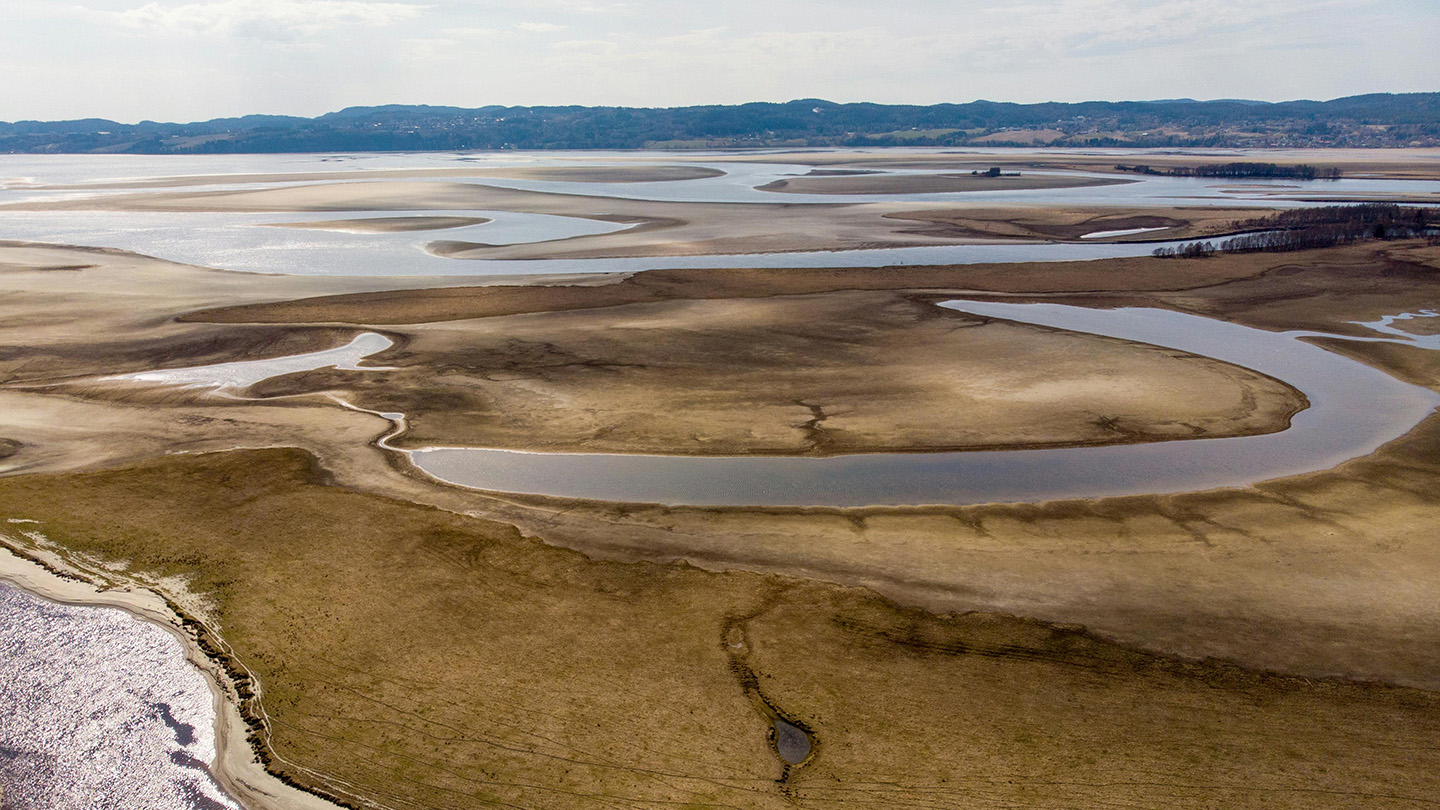
The climate crisis manifests itself not only through rising temperatures or the increasing frequency of extreme weather events. There is a less visible, yet equally significant, dimension involving progressive land degradation and the loss of ecosystems' ability to perform vital functions: retaining water, storing carbon, supporting biodiversity, and ensuring land productivity.
Desertification is often associated solely with the encroachment of deserts and the planet's most arid regions. In reality, the term refers to a broader process of land degradation in arid, semi-arid, and dry sub-humid areas, driven by the interplay between climatic factors and human activities. It thus represents a point of intersection among the major environmental crises of our time: climate change, biodiversity loss, water scarcity, and ecosystem transformation. Indeed, land degradation is not an isolated phenomenon but the result of mutually reinforcing environmental and socioeconomic dynamics that increase the vulnerability of landscapes and communities.
According to the United Nations Convention to Combat Desertification (UNCCD), up to 40% of the Earth’s land surface is currently degraded, directly affecting approximately 3.2 billion people. At the same time, the Intergovernmental Panel on Climate Change (IPCC) highlights how climate change is increasing the frequency and intensity of droughts, heatwaves, and extreme weather events across many regions of the world, further exacerbating pressure on ecosystems and natural resources. It is against this backdrop that the upcoming Conference of the Parties to the UNCCD (UNCCD COP17) will take place, scheduled for August 17–28, 2026, in Ulaanbaatar, Mongolia. This event represents a key moment in international environmental governance dedicated to combating land degradation, ensuring sustainable land management, tackling drought, and strengthening ecosystem resilience.
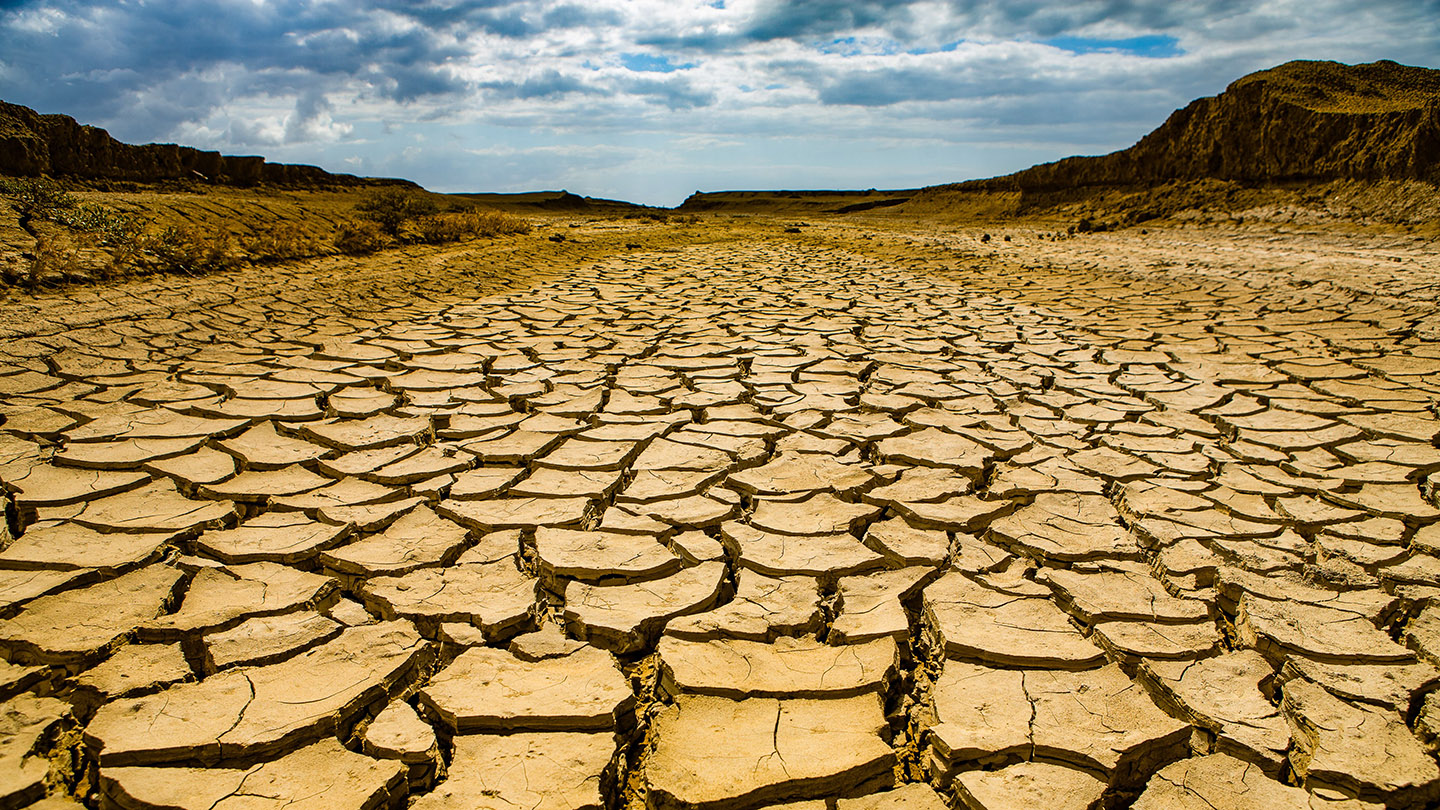
The United Nations Convention to Combat Desertification: one of the three Rio Conventions
The United Nations Convention to Combat Desertification (UNCCD) was established in 1994—following the 1992 Rio de Janeiro Earth Summit—alongside the UN Framework Convention on Climate Change (UNFCCC) and the Convention on Biological Diversity (CBD). These three Rio Conventions share a common origin and a vision that remains highly relevant today: major environmental challenges cannot be tackled in isolation, as climate, nature, water, and land are deeply interconnected elements. The creation of these international instruments in the 1990s already acknowledged the need for integrated environmental governance. Today, in the face of an accelerating climate crisis and mounting pressure on ecosystems, this approach is more important than ever. Although less well-known than the COPs dedicated to climate and biodiversity, the UNCCD COP serves as the primary international forum for combating desertification and land degradation, as well as for promoting sustainable land management.
Climate, Biodiversity, and Land: A Systemic Crisis
In recent years, there has been growing awareness that climate change, biodiversity loss, and land degradation are not separate crises but mutually reinforcing phenomena. The concept of a "triple planetary crisis," championed by the United Nations, highlights this very interdependence: climate change, nature loss, and pollution are interconnected challenges requiring coordinated, integrated responses. Land serves as a key link connecting these dynamics.
Degraded soil progressively loses its capacity to retain water, store carbon, and support biodiversity. At the same time, depleted ecosystems become less resilient to extreme weather events and less capable of providing essential services, ranging from water cycle regulation to soil fertility. As highlighted by the IPBES (Intergovernmental Science-Policy Platform on Biodiversity and Ecosystem Services), biodiversity loss and ecosystem degradation compromise nature's ability to support the well-being of societies and economies. Addressing desertification therefore requires simultaneous action across multiple dimensions of sustainability: climate, nature, water, and food security.
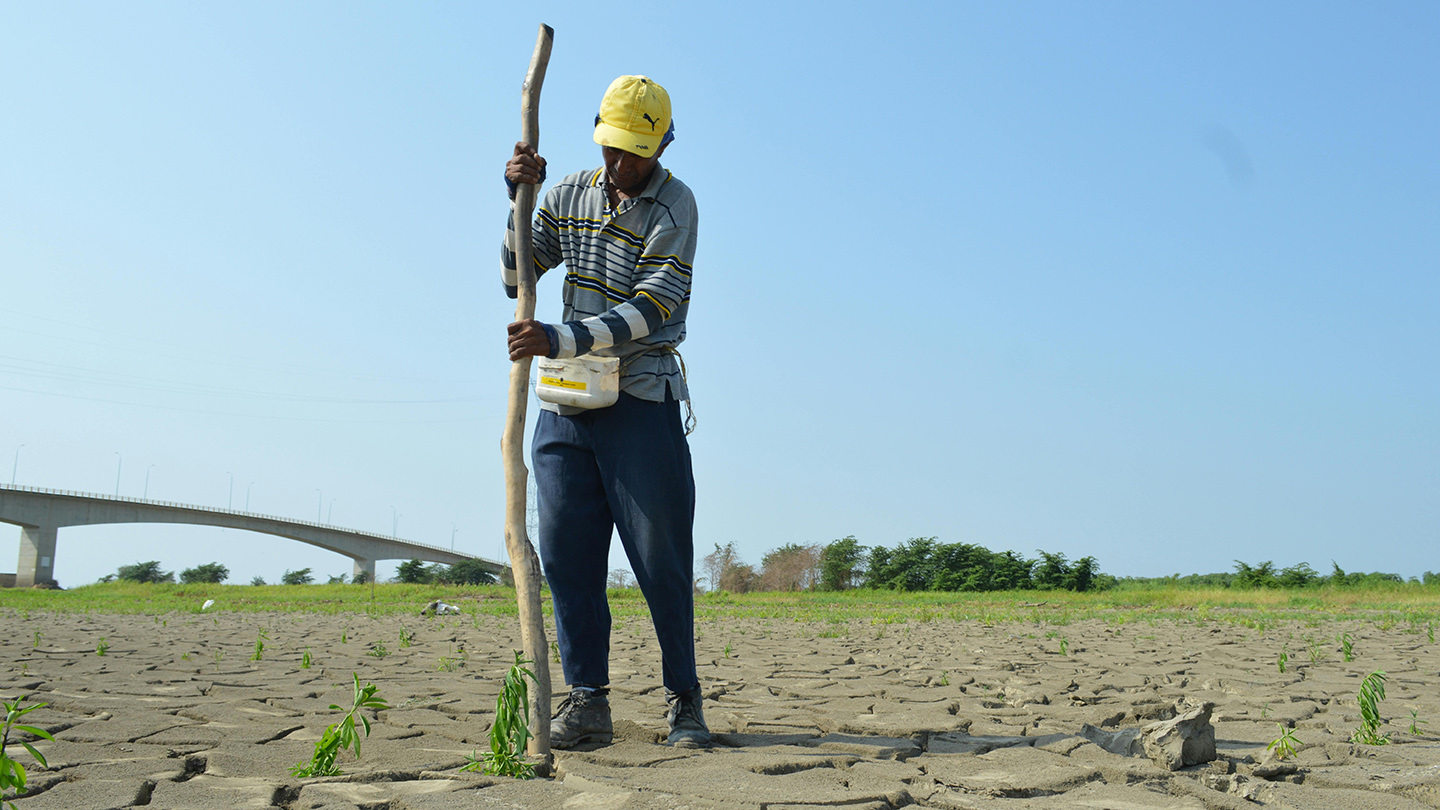
Water and soil: two inseparable resources
One of the most evident connections is the link between soil degradation and water availability. According to UN-Water—and in light of global population growth—demand for freshwater is set to rise in the coming decades, while climate change is profoundly altering the hydrological cycle, increasing the frequency of droughts and shifting precipitation patterns. Healthy soil plays a crucial role in water management: it facilitates infiltration, contributes to groundwater recharge, reduces erosion, and supports ecosystems. Conversely, soil degradation diminishes this natural capacity, exacerbating the effects of water stress and increasing the vulnerability of landscapes. Sustainable soil management thus becomes a climate adaptation strategy as well.
Read also: